
ANALYSIS
Angie Martinez’s Tupac Tapes: History, Harm and the Line Between Journalism and Spectacle
Dennis Byron examines the risks to Tupac Shakur’s legacy, Angie Martinez’s editorial responsibility and Jay-Z’s documented role in preserving the interview tapes.

Analysis
For a culture that insists it wants the truth, hip-hop can become remarkably uncomfortable when somebody presses play. Angie Martinez’s decision to open her Tupac Shakur archive has revived a difficult question: does preserving a legend mean protecting his image, or letting the public hear the complicated human being behind it?
My answer is that Tupac’s legacy does not require a permanent mute button. It does require responsible journalism. There is a substantial difference between adding to the historical record and turning a dead man’s anger into fresh ammunition for people who never lived through the original conflict.
Netflix released The Tupac Tapes with Angie Martinez on November 27 as a four-part video podcast. It revisits an interview recorded in 1996, months before Shakur’s death, alongside present-day discussion. Calling it simply a Tupac documentary misses its narrower focus: one recording, the broadcaster who held it, and the decisions surrounding its release.

First, “unreleased” does not mean secretly recorded
The public account describes an arranged interview, not evidence that Martinez hid a recorder from Shakur. The secrecy concerned material kept from audiences. Those are different issues, and collapsing them into “a secret tape” can manufacture a betrayal before the reporting has even begun.
In Netflix’s Tudum interview, Martinez says she withheld inflammatory portions because she feared worsening a dangerous situation. She argues that time and contextual discussion now allow a more responsible presentation. Her explanation deserves consideration; it is also a claim viewers should test against what the finished project actually presents.
A producer’s good intentions cannot substitute for context on screen. Equally, a viewer’s discomfort cannot by itself establish misconduct. An honest assessment needs to examine the editing, the historical explanation and the treatment of people discussed on the recording.
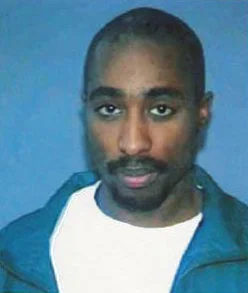
What damage could this do to Tupac’s legacy?
The greatest risk is reduction. A furious passage can travel farther than the explanation surrounding it. Someone encountering Shakur for the first time through a short clip may mistake one conversation for the complete measure of his intelligence, politics, artistry or character.
That is particularly unfair to someone who cannot return for a follow-up interview. Living public figures can clarify a remark, admit a mistake or explain how their thinking changed. Death removes that opportunity while leaving everybody else free to sell certainty about what the person “really meant.”
There is another danger: converting an interviewee’s accusations into established history. A recording can establish that somebody said something. It does not automatically establish that the allegation was true. That distinction matters especially when the people named are also unable to answer.
But a fuller record could also strengthen Shakur’s legacy. Serious historical figures survive scrutiny; their significance does not depend on every statement being admirable. Listeners may gain a more human understanding of his contradictions rather than another polished monument. The potential benefit is complexity. The potential damage is presenting complexity as a verdict.
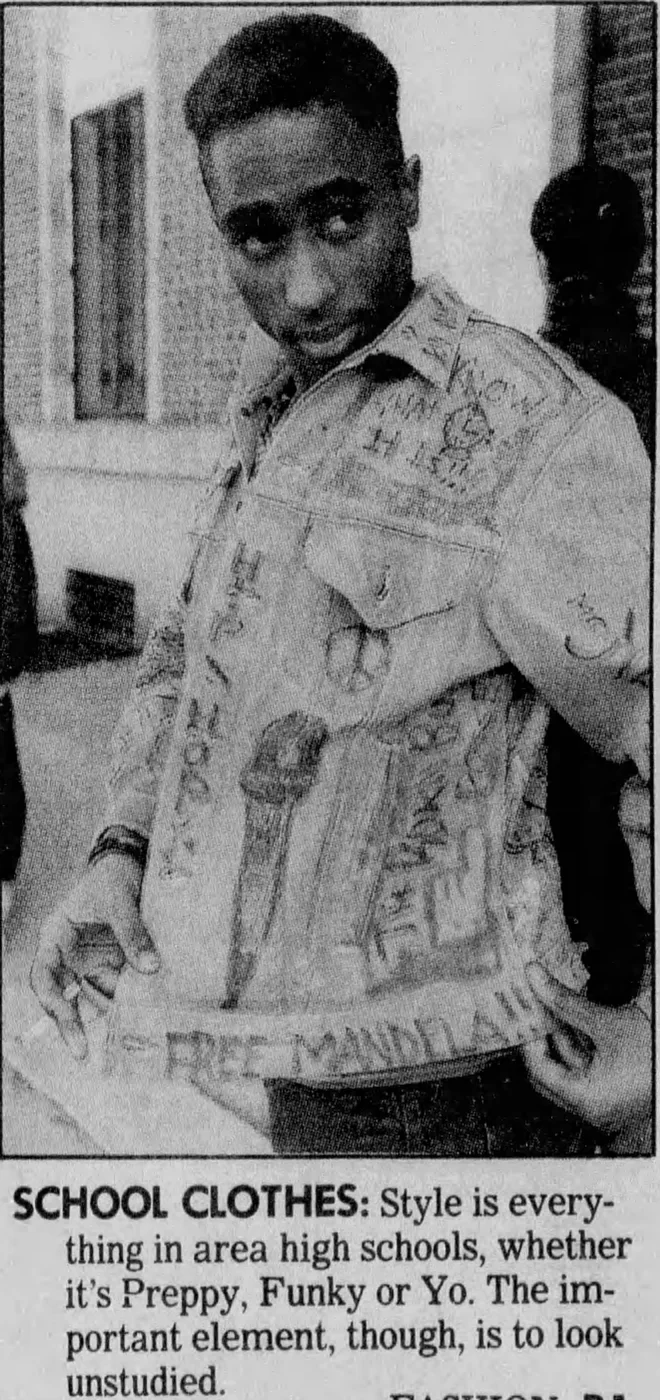
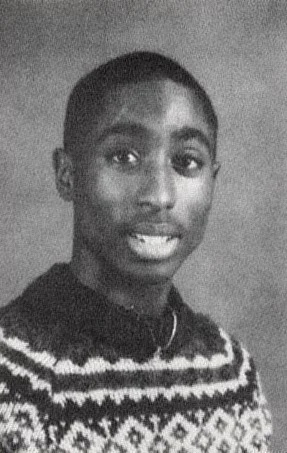
Did Angie Martinez cross the line?
Releasing an old interview is not, by itself, an ethical violation. Nor does holding it for decades automatically make its eventual release noble. The defensible question is what public understanding the release serves and whether its presentation is fair.
My concern would begin where context becomes decoration. If a production supplies a few solemn sentences about trauma and then promotes the most combustible exchange as a stand-alone attraction, the packaging can defeat the stated purpose. A disclaimer cannot do all the ethical work.
Conversely, expecting Martinez to protect every part of Shakur’s reputation forever would confuse journalism with image management. A broadcaster should not be required to bury historically significant material merely because it complicates a beloved artist’s mythology.
There is a fair case for asking why now, what remains unheard, how excerpts were selected and whether serious allegations receive independent scrutiny. Those questions are stronger than declaring a cash grab without evidence of her motives or financial arrangements.
Outlawz member E.D.I. Mean says the series omits part of the original interview, Complex reported November 28.
That reported objection makes transparency about selection especially useful. An edited program and a complete archive are different products. Editors routinely select material; the audience should still understand what it is receiving. An omission is not, by itself, proof of a fraudulent edit.
On the public evidence reviewed for this analysis, I would not declare Martinez guilty of betraying Shakur simply for releasing the interview. I would hold her to the same standard as any journalist handling an explosive archive: verify what can be verified, identify what remains disputed, and make the context harder to lose.
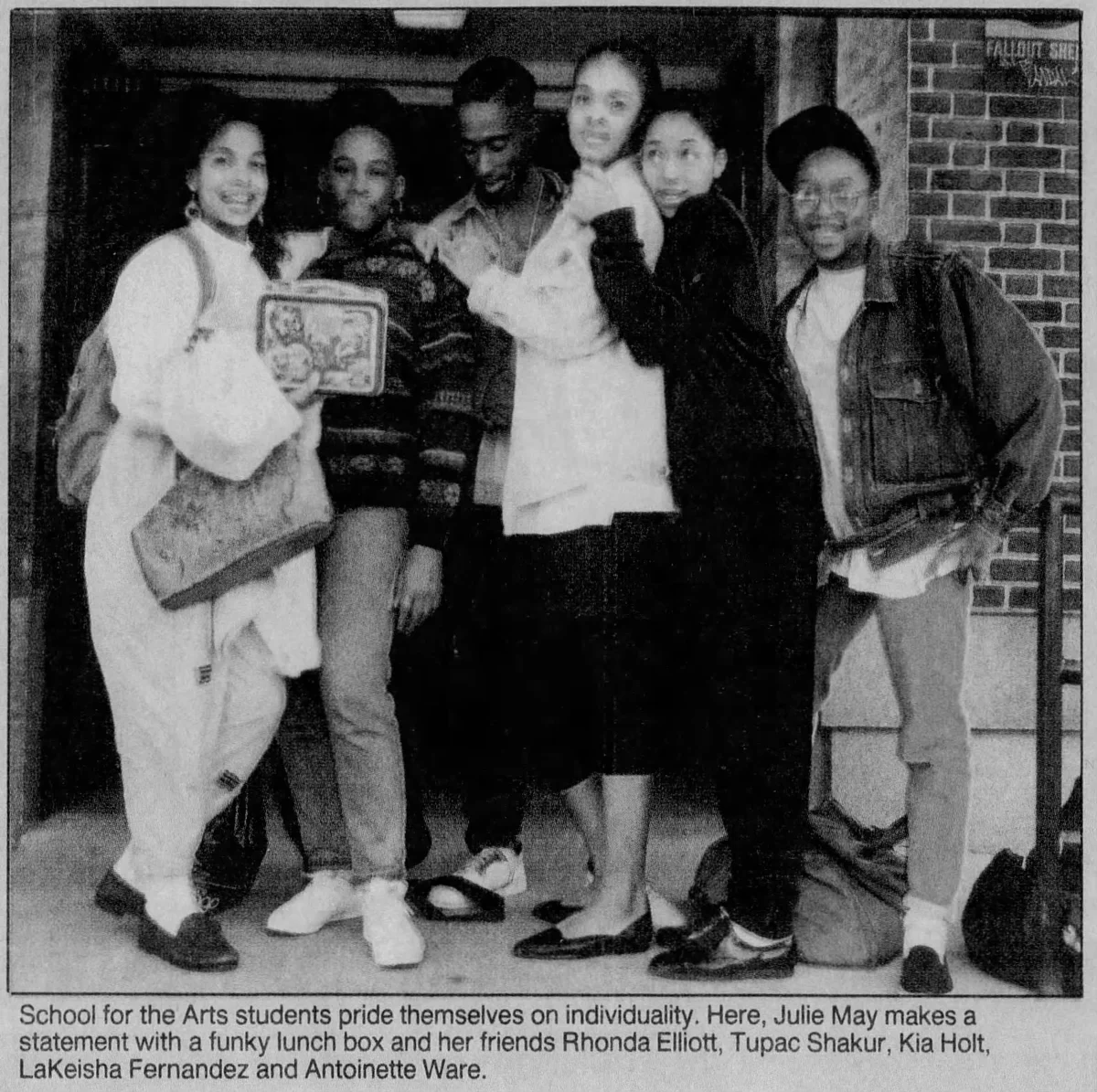
Jay-Z’s documented role: protecting the archive
The Jay-Z connection needs precision. In a 2019 account reported by REVOLT, Martinez credited him with urging her to move interview tapes out of her laundry room after a Roc Nation meeting. He warned that fire or flooding could destroy them. She subsequently described digitizing the recordings and securing the physical tapes.
That advice matters. Protecting fragile source material can make a later project possible. But helping preserve a recording is different from financing a series, securing its distribution or exercising editorial control.
In her November 27 GQ interview, Martinez described developing the release with production partner Brittany, contacting Netflix, and being paired with All the Smoke to help make it. That published account offers a production pathway; it does not establish Jay-Z as the person who brokered the Netflix arrangement.
I have not verified a financing agreement, production contract or editorial instruction showing that Jay-Z funded this release or chose what viewers would hear. His archive-preservation advice should be credited without turning it into an unsupported claim that he engineered a campaign against Tupac.
The public is entitled to ask about professional relationships and potential conflicts. It is not entitled to treat suspicion as a production credit. A famous name near a project is a reason to report carefully, not a permission slip to fill the gaps with a theory.

The tape should expand the picture
The most useful test is whether a viewer comes away knowing more about the circumstances of the conversation, rather than merely carrying a longer list of insults. Can the production distinguish a recollection from a verified fact? Can it challenge a claim without pretending its speaker had no humanity? Can it explain its own editorial choices?
Tupac should not have to be flawless to remain important. Martinez should not have to remain silent to prove respect. Both propositions can be true while the release receives searching criticism.
His legacy can withstand another conversation. What it should not have to withstand is a media economy that treats the loudest surviving fragment as the whole man. If this archive helps restore the person, it has value. If the culture uses it only to restart the feud, the failure will extend well beyond the person who pressed play.
Reporting note: This analysis draws on Netflix’s release information, Martinez’s published interviews and attributed reporting. It is not a scene-by-scene review of all four episodes or a forensic authentication of the original tapes. No new interview with Martinez or Jay-Z, or review of private production agreements, was conducted for this article.
Sources: Netflix series listing; Martinez’s November 11 Tudum interview; November 27 GQ interview; REVOLT’s 2019 archive-preservation report; Complex’s November 28 report on E.D.I. Mean’s comments.


Join the conversation
0 approved commentsRegistered readers only. Every comment is reviewed by HHE before it appears publicly. Keep it respectful, relevant, and free of personal information or threats.
Loading reader options…
No approved comments yet. Be the first to add your perspective.